
What Does an Interior Designer Do: The Role, the Process, and When to Hire One
Explore the full scope of interior design work, from space planning to contractor coordination, and when hiring a designer is worth it.
Free ConsultationWho This Is For
- Homeowners navigating a new build or renovation who aren't sure whether a designer is worth it
- Vacation property owners who want an elevated result without managing the process themselves
- STR investors furnishing single or multiple units who have already learned that doing it alone costs more than expected
Key Takeaways
An interior designer’s role includes spatial planning, material specification, lighting design, contractor coordination, and project management
Interior designers can work with structural changes and building code compliance; decorators cannot
The best time to bring in a designer on a new build is before construction starts, when decisions are still cheap to change
On multi-unit or vacation properties, the project management function is often where the most time and money is saved
For a lot of people, there’s a gap between “I know what I like” and “this space feels finished.” That’s exactly where interior designers work.
Most people don't realize how wide that gap is until they're standing in a room that looks assembled but not designed, and they can't quite explain what's missing.
A professional interior designer does far more than select furniture or suggest paint colors. The role spans spatial planning, material specification, lighting coordination, contractor management, and hundreds of smaller decisions that add up to a space that either works or doesn't. Understanding what an interior designer does and what they don't do can help you decide whether hiring one is right for your project.
Here’s a simple way to break down what an interior designer does.

Interior Designers vs. Decorators vs. Architects
The most common point of confusion is the difference between an interior designer and an interior decorator. Interior decorators work with what's already there to build a more aesthetically pleasing environment. They bring in furnishings, art, and decorative items or elements to improve the look of a space. Designers shape the interior space itself. That includes spatial planning, material selection, finish specification, lighting design, and in many cases, coordination with contractors on structural changes or architectural modifications that require compliance with building codes.
Interior architects handle the building's envelope and structure. Interior designers work the interior, but with a level of technical knowledge and coordination that goes well beyond picking a sofa. The result of good interior design is a functional space that looks intentional and works for how people actually live and work in it.

Core Interior Design Services
Interior design projects move through several phases. Understanding them helps set expectations before the first conversation.
Concept Development
For home or commercial design, concept development comes first. Designers conduct detailed client interviews to understand your lifestyle, function requirements, and aesthetic direction. From there, they build mood boards and color palettes to give clients something concrete to react to before making any purchasing decisions. A concept board prevents expensive course corrections later.

Space Planning
Space planning follows. Interior designers produce scaled floor plans of the interior layout that show furniture placement, traffic flow, and activity zones. These carefully measured layouts verify clearances, confirm proportions, and ensure the room functions as intended. A dining room that seats eight but blocks the kitchen door isn't a design success, regardless of how good the table looks.
Material and finish selection is where a lot of the technical work happens. Designers compile finish schedules for flooring, tile, paint, cabinetry hardware, and plumbing fixtures with specifications precise enough for contractors to execute without interpretation. They source materials from trade suppliers not accessible to the public and evaluate them for durability, real-world performance, and how they read under both natural and artificial light.
That last point is more important than most clients think. A finish that looks warm in a showroom can read entirely different under the directional light of a mountain property or the flat overhead light of a city apartment. Interior designers who also photograph their own work (a rarer skill set) understand this distinction at a level most don't. Material choices that look beautiful in person and photograph well for listing or marketing require thinking about both dimensions at once.
Lighting Design and Technical Coordination
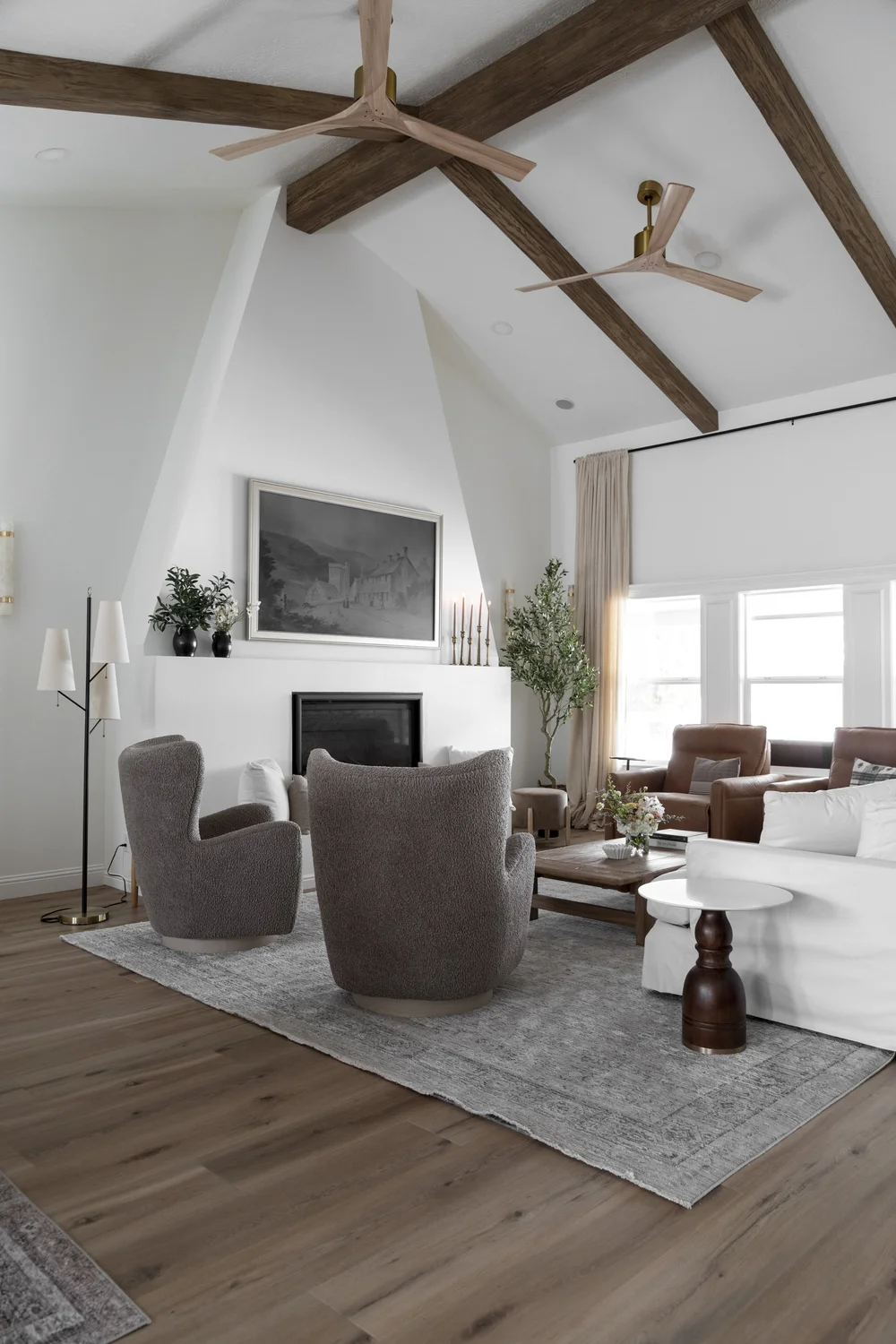
Lighting is the most under-budgeted and least understood category in most residential design projects. Interior designers develop lighting plans that layer function and mood: overhead for general use, task lighting where work happens, ambient lighting for warmth. They coordinate those plans with electrical contractors to ensure the layout actually matches the design intent, not just where outlets are, but where fixtures land relative to furniture, art, and natural light sources.
On commercial or mixed-use projects, interior designers ensure layouts comply with building codes and regulations. That includes occupancy requirements, egress planning, and ADA considerations. Computer-aided design software is the standard tool for producing the technical drawings contractors and engineers work from.
For vacation rental properties specifically, lighting design is a revenue decision. Warm-temperature bulbs throughout a property change how listing photos read. Cool or daylight-spectrum bulbs photograph harshly and make spaces feel clinical. A designer who thinks about interior design and photography as the same conversation makes those calls during the design phase.
Project Management
The coordination role is often the most underestimated part of an interior designer's role, and the most valuable on complex projects.
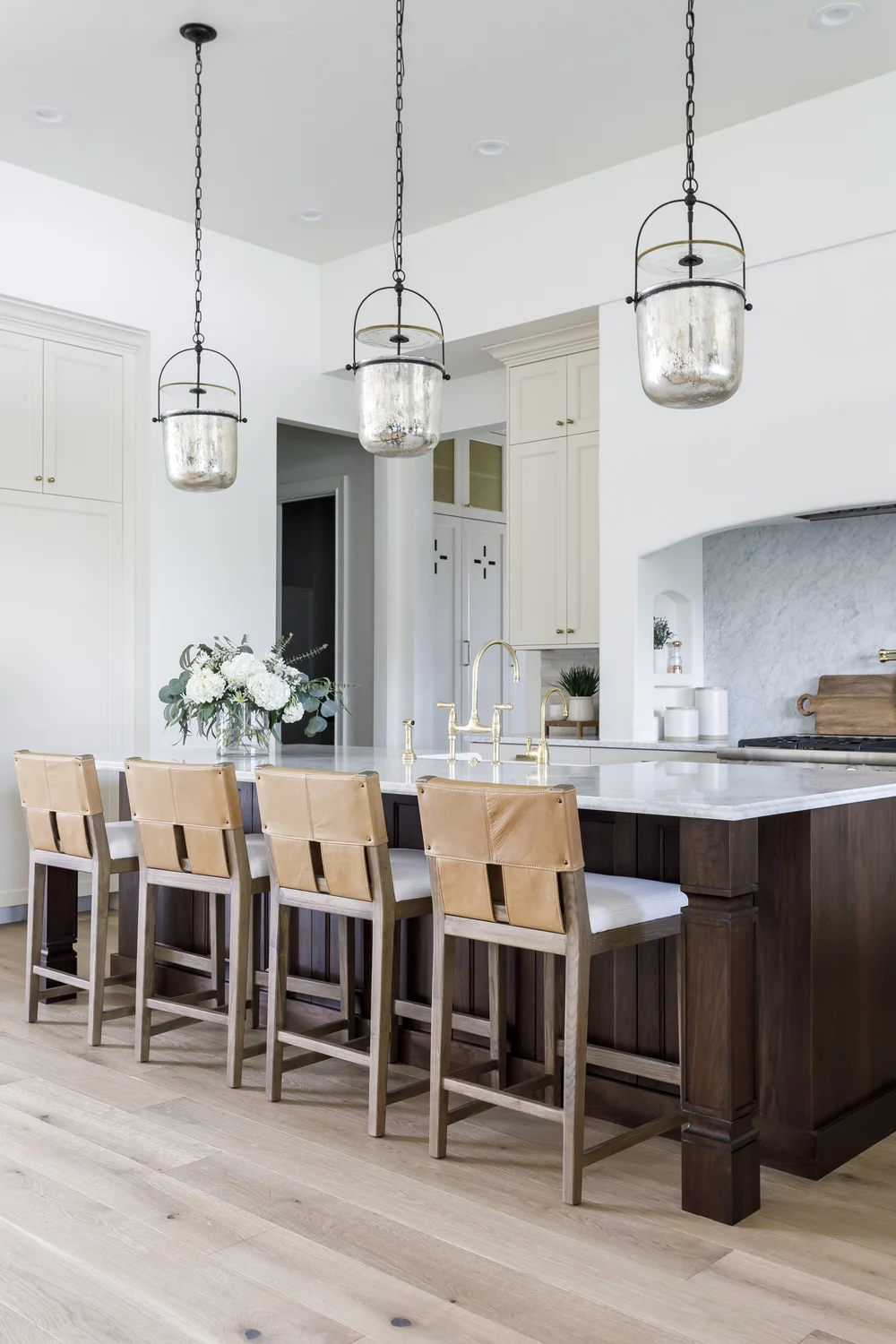
Designers create project timelines, manage contractor schedules, track procurement lead times, and conduct site visits to monitor progress. When a tile shipment arrives damaged or a subcontractor falls behind schedule, the designer manages the problem for their clients. Change orders get documented, approvals get logged, and the project doesn't quietly drift off scope.
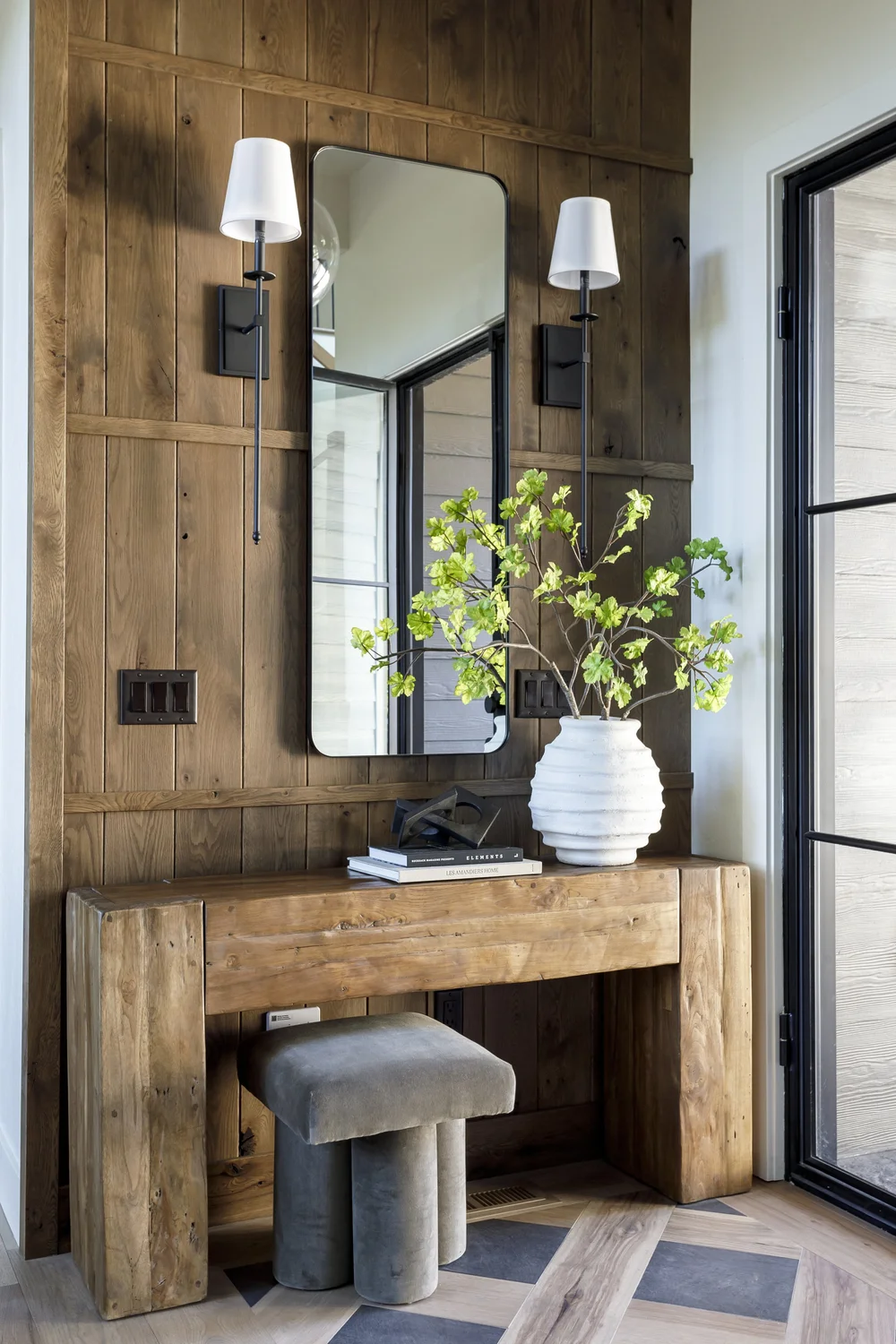
On large-scale projects, this function is where the real time savings accumulate. A 20-unit short-term rental property involves hundreds of sourcing decisions, multiple contractors, staggered delivery windows, and installation sequences that must happen in the right order. Having one person own the full scope is one of the most valuable parts of hiring a designer instead of managing it yourself. You get one point of contact and no coordination overhead.
Having one person own the full scope is one of the most valuable parts of hiring a designer instead of managing it yourself.
When to Hire an Interior Designer
Honestly, not every project needs a designer involved from start to finish. Someone repainting a bedroom and replacing a light fixture probably doesn't need one. Here are the situations where hiring an interior designer shifts from optional to worth it:
Major renovations and new builds
The best time to bring in a designer is before construction starts, when floor plans can still change, and finish selections haven't been locked in by a builder's design center timeline. Changes made on paper cost almost nothing. Changes made after construction cost a lot.
Complex spatial planning challenges
Open floor plans with high ceilings, awkward room proportions, or unconventional layouts require scaled planning. Furniture placement that works visually and functionally in these spaces isn't something you can figure out by rearranging what you have.
Multi-unit or vacation property furnishing.
For multi-unit properties, the decision volume alone makes professional help worth it. Interior designers working at this scale have sourcing systems, vendor relationships, and procurement workflows that can't be replicated by someone doing it once.
For homeowners navigating new construction finish selections, or property owners furnishing a vacation rental from out of state, having a designer who knows the local market and handles the full scope changes the experience entirely.
When you’ve tried, and the result is “fine but not finished,” that gap has a name.
Interior designers close it.
Fees, Contracts, and What to Expect
Interior designers charge in a few standard ways. Flat fees are common for defined-scope projects where you know the total at the start. Hourly billing applies to consultations and smaller engagements. Some designers charge a percentage of the overall project cost, which is more common in high-end residential or commercial work. Hybrid structures with a flat fee for design services, plus a percentage on procurement, are also standard.
Before signing anything, understand exactly what's included and what isn't. A clear scope of work, deposit structure, payment schedule, and change order process protects both parties. Many designers also have access to trade pricing and pass some portion of those discounts to clients, which can offset part of the design fee.
What to Look for When Hiring a Designer
Portfolio relevance matters more than portfolio beauty. A designer whose work is primarily coastal contemporary may not be the right fit for a mountain vacation property regardless of how good the photography looks. Look for project types similar to yours.
Ask for references from past clients on comparable projects, not just testimonials on a website. Ask how they communicate during a project, what you handle versus what they handle, and whether they manage procurement directly or hand off a shopping list.
Process clarity is a reasonable expectation before you hire. A professional interior designer should be able to walk you through how a project moves from first conversation to final installation and what happens when something goes sideways.

Ready to Talk Through Your Project?
Interior designers handle the decisions you don't want to make alone, as well as the ones you didn't know you needed to make. The result is a space that functions, holds up to real use, and feels finished rather than assembled. Andi Marshall Interiors works with Boise homeowners, Tamarack Resort property owners, and STR investors who want full-scope design without the coordination overhead. If you're ready to stop guessing and start with a plan, contact us today to start the conversation.
Contact Us